
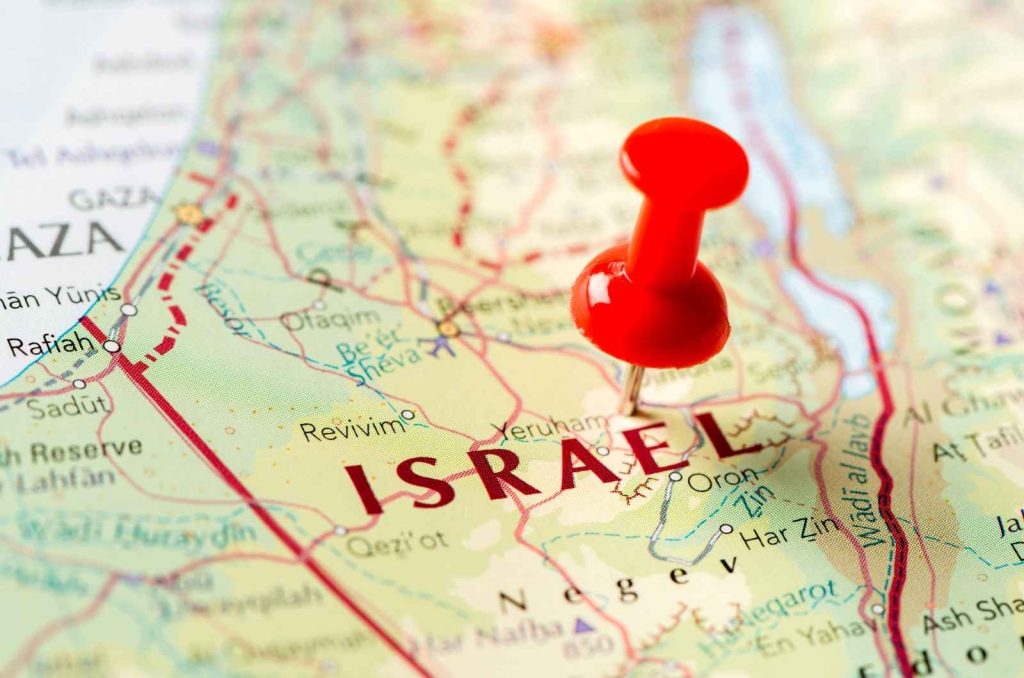
Archaeological discoveries continue transforming our understanding of biblical history and early Christianity. Modern Holy Land tours benefit from decades of excavation, research, and preservation work that brings ancient texts to life through physical evidence. In 2025, visitors encounter sites and artifacts that previous generations could only imagine, deepening the connection between faith and historical reality.
The twentieth and twenty-first centuries witnessed unprecedented archaeological activity across Israel and neighboring regions. These discoveries provide context for biblical narratives, confirm historical details, and sometimes challenge traditional assumptions. Professional tour guides incorporate latest findings into their presentations, helping visitors understand how archaeology informs biblical interpretation.
?How Do Archaeological Sites Enhance Biblical Understanding
Physical remains create tangible connections to scriptural accounts. Reading about Capernaum differs dramatically from standing among the ruins of homes and synagogues where Jesus taught. Visitors see grinding stones, fishing equipment, and household items similar to those used by first-century residents.
City of David excavations reveal Jerusalem's earliest settlement layers. Tunnels carved through solid rock demonstrate ancient engineering achievements. The Gihon Spring, Jerusalem's primary water source, helps explain biblical siege accounts and why David captured this strategic location.
The Pool of Siloam discovery in 2004 confirmed gospel accounts of Jesus healing a blind man. Excavated steps and mikveh baths show how first-century Jews used this ritual purification site. The location matches textual descriptions precisely.
Magdala excavations near the Sea of Galilee uncovered a first-century synagogue where Jesus likely taught. The site preserves remarkable mosaics and a stone carved with menorah imagery. Adjacent residential areas show how Mary Magdalene's hometown appeared during the New Testament period.
?What Evidence Supports Gospel Accounts
The Pilate Stone discovered in 1961 at Caesarea Maritima provided first archaeological evidence for Pontius Pilate's existence outside biblical texts. The inscription names him as prefect of Judea, confirming gospel accuracy regarding Roman administration.
Bone ossuary inscriptions document common Jewish names from the period. Multiple discoveries of individuals named Yeshua, Miriam, Yosef, and other gospel names demonstrate their prevalence, supporting scriptural authenticity.
First-century boat discovered in 1986 along the Sea of Galilee shore helps visitors visualize how disciples lived. The well-preserved wooden hull, measuring approximately eight meters in length, matches descriptions of fishing vessels used during Jesus's ministry.
?Which Sites Reveal Early Christian Communities
Byzantine church remains scatter throughout Israel, marking locations where early Christians commemorated gospel events. The Church of the Multiplication at Tabgha preserves stunning fifth-century mosaics depicting loaves and fishes. Archaeological evidence suggests continuous Christian presence at this site since the fourth century.
The Church of the Annunciation in Nazareth sits atop earlier Byzantine and Crusader structures. Excavations beneath the modern basilica revealed homes and agricultural installations from Jesus's lifetime. Pilgrims view these remains through protected viewing areas.
Bethesda Pool excavations in Jerusalem exposed the five-porticoed pool mentioned in John's gospel. For centuries, scholars questioned whether such a structure existed. Archaeological work confirmed both the pool's location and architectural details matching biblical description.
?How Do Tour Operators Incorporate New Discoveries
Professional tour companies maintain relationships with archaeological authorities and academic institutions. This ensures guides receive current information about ongoing excavations and recent findings. Tours regularly update itineraries to include newly accessible sites.
Some tour operators arrange special access to active excavation sites during appropriate seasons. These experiences allow visitors to witness archaeological work firsthand and sometimes meet researchers. Such encounters add depth to understanding how biblical archaeology progresses.
Virtual reality and augmented reality technologies increasingly enhance site visits. Some locations offer digital reconstructions showing how structures appeared in ancient times. These tools help visitors visualize complete buildings from fragmentary remains.
?What Controversies Surround Holy Land Archaeology
Debate persists regarding certain traditional sites. The Garden Tomb and Church of the Holy Sepulchre represent competing theories about Jesus's burial location. Archaeological evidence proves inconclusive for definitively identifying either site as authentic.
Political complexities affect excavation access. Some significant sites fall within territories with restricted access or conflicting administrative control. This limits archaeological investigation and public visitation.
Dating methodologies generate ongoing discussion. Establishing precise timelines for ancient remains involves multiple scientific techniques, each with limitations. Scholars sometimes disagree about whether particular sites date to biblical periods.
?How Do Visitors Experience Archaeological Sites Safely
Professional tour operators prioritize safety while allowing meaningful engagement with archaeological remains. Sites maintain protective barriers around fragile structures while preserving views and access. Walkways, stairs, and viewing platforms meet modern safety standards without compromising historical integrity.
Licensed guides prevent accidental damage by educating visitors about proper behavior near ancient remains. They explain which areas allow entry and which require observation from distance. Touch restrictions protect surfaces from erosion caused by skin oils and repeated contact.
?What Future Discoveries Might Await
Ongoing excavation work continues uncovering new evidence. Projects at Bethsaida, biblical home of Peter, Andrew, and Philip, reveal first-century residential areas and city infrastructure. Future discoveries may provide additional insights into apostolic life.
The Qumran area near the Dead Sea produced the famous Dead Sea Scrolls in the 1940s and 1950s. Systematic excavation of additional caves continues, occasionally yielding new manuscript fragments or artifacts from Second Temple period communities.
Ground-penetrating radar and other non-invasive technologies allow researchers to locate buried structures without excavation. These techniques identify promising sites for future investigation while preserving surface features.
Archaeology Bringing Scripture to Life
Archaeological discoveries transform Holy Land tours from simple sightseeing into encounters with physical evidence supporting biblical narratives. Modern visitors walk paths where ancient evidence confirms scriptural accounts, deepening faith through tangible connection to history. Professional tour operators stay current with latest findings, ensuring guests receive accurate, updated information. The ongoing nature of archaeological work means each year potentially brings new discoveries that enhance our understanding of biblical times. These physical remains create bridges between ancient texts and contemporary experience, allowing twenty-first century believers to connect more deeply with foundational events of their faith. As excavation work continues, future generations will undoubtedly encounter even more evidence illuminating the biblical world.
More Online Resources: talya tours